
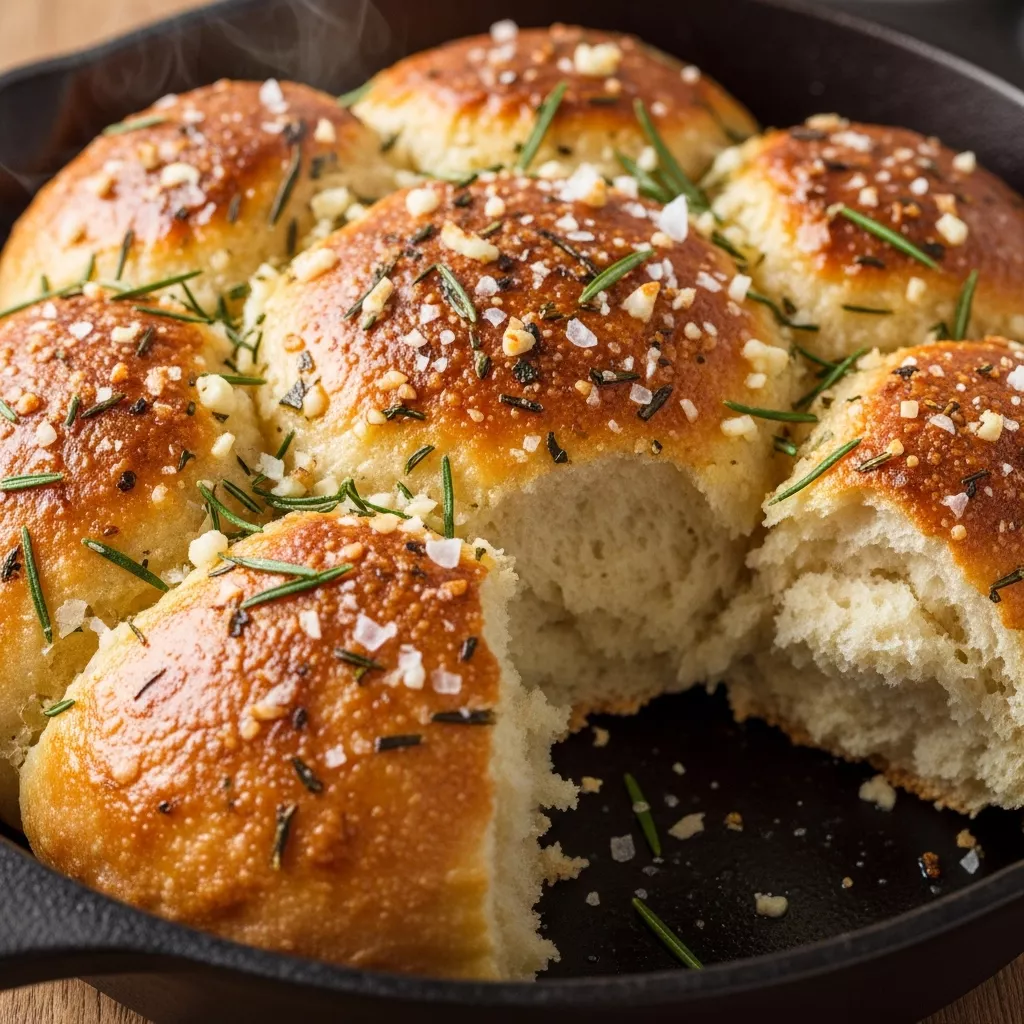
Imagine your kitchen filling with an aroma so utterly captivating, it pulls everyone in. That’s the magic of the Golden Crust Skillet Garlic Rosemary Bread. This isn’t just a side dish; it’s an experience. With its beautifully crisp, golden crust giving way to a soft, airy interior, each bite is a symphony of robust fresh garlic and fragrant rosemary. Baked directly in a searing hot skillet, this bread develops a unique texture and depth of flavor that is simply irresistible. This particular rustic skillet garlic rosemary bread recipe is surprisingly simple to master, requiring minimal hands-on time for an impressive result that elevates any meal. It’s a true celebration of simple, wholesome ingredients transformed into something extraordinary.
Why You’ll Love This Golden Crust Skillet Garlic Rosemary Bread
This bread isn’t just delicious; it’s a testament to how simple ingredients can create something profoundly satisfying. Here’s why the Golden Crust Skillet Garlic Rosemary Bread will become a cherished recipe in your kitchen:
- Unforgettable Texture: The hallmark of this bread is its incredible texture – a shatteringly crisp, golden crust thanks to the hot skillet, contrasting beautifully with a tender, airy crumb.
- Aromatic Bliss: Fresh garlic and rosemary aren’t just flavors; they’re an aromatic invitation. The moment this bread starts baking, your kitchen will be filled with an irresistible, comforting scent.
- Effortless Elegance: Despite its impressive appearance and taste, this bread requires minimal fuss. The simple dough comes together quickly, and the skillet baking method streamlines the process.
- Versatile Companion: Perfect for tearing and sharing, it’s an ideal accompaniment to hearty stews, pasta dishes, or simply as a centerpiece on a cheese board.
- Mediterranean-Inspired Comfort: Drawing on classic Mediterranean flavors, it brings a touch of rustic warmth and sophistication to any dining table.
Ingredients & Substitutions
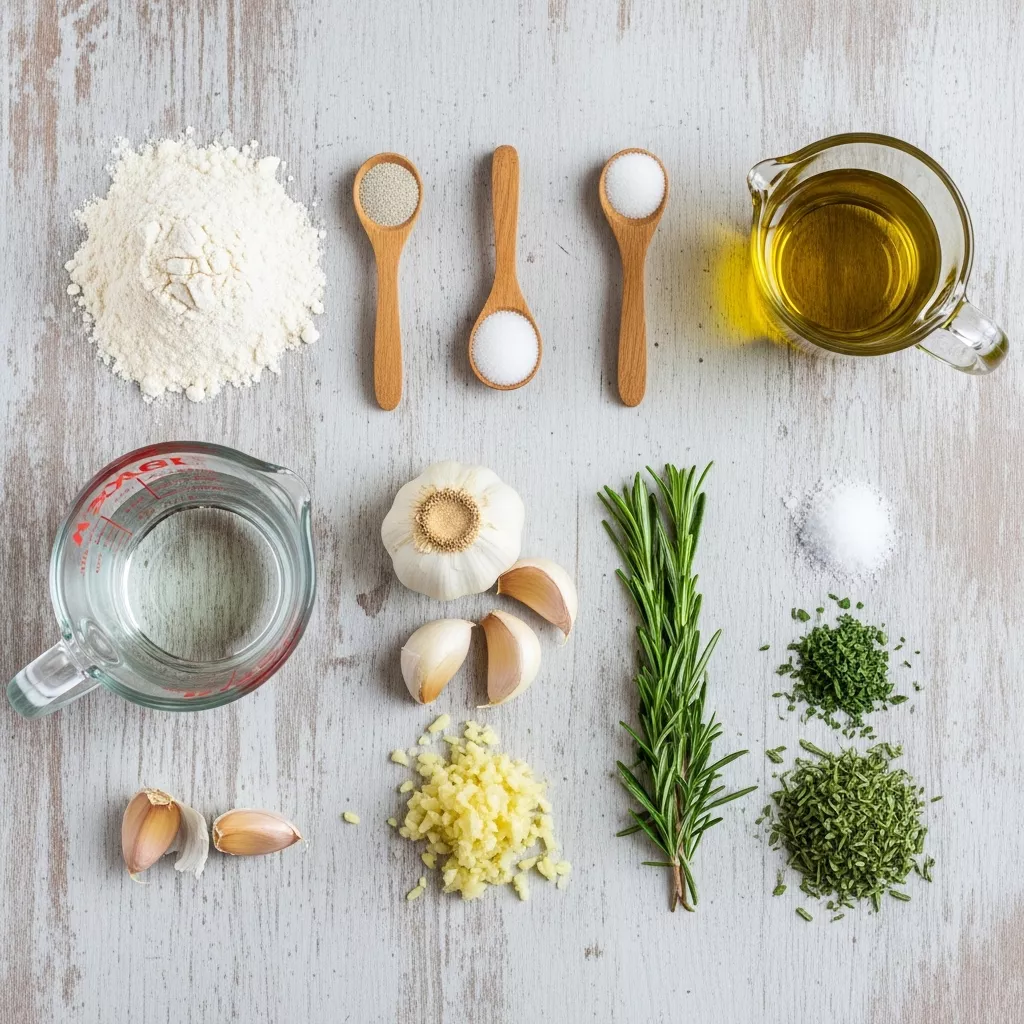
Crafting this aromatic skillet bread relies on a few key ingredients. Here’s what you’ll need and some notes on potential adjustments:
- All-Purpose Flour: 3 cups (360g), plus more for dusting. Standard all-purpose flour works perfectly here. For a slightly different texture, you could experiment with bread flour, but adjust water content as needed.
- Instant Dry Yeast: 1 teaspoon. Instant yeast is great for its convenience as it can be mixed directly with dry ingredients. If using active dry yeast, proof it in a portion of the warm water with the sugar for 5-10 minutes until foamy before adding to the flour.
- Granulated Sugar: 1 teaspoon. A small amount to activate the yeast and enhance flavor, not to sweeten the bread.
- Fine Sea Salt: 1.5 teaspoons. Essential for flavor balance.
- Warm Water: 1.25 cups (300ml), 105-115°F (40-46°C). The temperature is crucial for activating the yeast without killing it.
- Olive Oil: 4 tablespoons, divided. Use a good quality extra virgin olive oil for the best flavor, especially for the garlic-rosemary topping.
- Garlic: 4 cloves, minced. Fresh garlic is non-negotiable for that vibrant, pungent flavor.
- Fresh Rosemary: 2 tablespoons, finely chopped. Again, fresh is key for the aromatic punch.
- Flaky Sea Salt: For topping. Adds a beautiful finish and bursts of savory flavor.
How to Make Golden Crust Skillet Garlic Rosemary Bread
Follow these simple steps to bring this delightful bread to life in your own kitchen:
- In a large mixing bowl, whisk together the flour, instant yeast, sugar, and fine sea salt until well combined.
- Gradually add the warm water and 2 tablespoons of olive oil to the dry ingredients. Mix with a wooden spoon or spatula until a shaggy dough forms.
- Turn the dough out onto a lightly floured surface and knead for 5-7 minutes. Continue until the dough becomes smooth and elastic. If using a stand mixer with a dough hook, mix for 4-5 minutes.
- Lightly grease a clean bowl with a little olive oil. Place the kneaded dough in the bowl, turning once to coat. Cover the bowl with plastic wrap or a clean kitchen towel and let it rise in a warm place for 1-1.5 hours, or until doubled in size.
- While the dough is proofing, prepare your aromatics: In a small bowl, combine the minced garlic, finely chopped fresh rosemary, and the remaining 2 tablespoons of olive oil. Stir well and set aside.
- Preheat your oven to 425°F (220°C). Crucially, place a 10-inch cast iron skillet (or an oven-safe heavy-bottomed pan) into the oven as it preheats to get it extremely hot.
- Once the dough has doubled, gently punch it down to release the air. Transfer the dough to a lightly floured surface and gently shape it into a round disc, about 8-9 inches in diameter, being careful not to overwork the dough.
- Carefully remove the hot skillet from the oven using sturdy oven mitts. If needed, drizzle a tiny bit of olive oil into the skillet (the preheating usually seasons it well).
- Carefully transfer the dough disc into the hot skillet. Brush the top of the dough generously with the garlic-rosemary-olive oil mixture, ensuring the herbs and garlic are evenly distributed. Sprinkle with flaky sea salt.
- Bake for 25-30 minutes, or until the bread is golden brown on top and cooked through. An internal temperature of 200-210°F (93-99°C) confirms doneness. If the top browns too quickly, you can loosely tent it with foil.
- Remove the skillet from the oven. Carefully transfer the bread to a wire rack to cool slightly for 5-10 minutes. This prevents the bottom from becoming soggy and makes it easier to slice or tear.
Tips for Success
- Proofing Perfection: Ensure your warm place for proofing is genuinely warm, but not hot. A slightly warm oven (turned off, with the light on) or a sunny spot can work wonders.
- Hot Skillet is Key: Do not skip preheating the skillet in the oven. This is what gives the bread its signature crispy, golden crust. Use good oven mitts when handling it!
- Don’t Overwork the Dough: After the first rise, handle the dough gently when shaping it into a disc. Overworking can lead to a tougher texture.
- Steam for Extra Crisp: For an even crispier crust, place a shallow pan of water on the bottom rack of your oven during baking to create steam.
- Fresh Herbs Make a Difference: While dried herbs can be substituted in a pinch (use 1 tablespoon dried rosemary for 2 tablespoons fresh), the vibrant flavor and aroma of fresh rosemary and garlic are truly essential for this recipe. If you’re looking for other ways to enjoy these aromatic breads, you might find inspiration from Fork Haven’s Easy Garlic Parmesan Focaccia Recipe.
- Cooling Rack Crucial: Always transfer the baked bread to a wire rack to cool. Leaving it in the hot skillet will cause condensation and result in a soggy bottom.
Serving Suggestions
This Golden Crust Skillet Garlic Rosemary Bread is incredibly versatile and shines in many settings:
- With Soups & Stews: Its robust flavor and sturdy crust make it the perfect companion for dipping into hearty soups, chili, or warming stews.
- Pasta Partner: Serve it alongside your favorite pasta dishes to sop up every last drop of delicious sauce.
- Cheese Board Star: Tear it into pieces and arrange it on a charcuterie or cheese board for an impressive, flavorful addition.
- Simple Appetizer: Enjoy it on its own, perhaps with an extra drizzle of good olive oil or balsamic vinegar for dipping.
- Complementary Sides: If you love garlic-infused sides, this bread pairs wonderfully with other flavorful potato dishes, such as our Garlic Parmesan Potato Wedges.
Storage & Reheating
This bread is undeniably best enjoyed warm on the day it’s made, when the crust is at its crispiest and the aroma is most potent. However, if you have leftovers:
- Storage: Store any leftover bread at room temperature in an airtight container for up to 2 days.
- Reheating: To bring back some of its warmth and crispness, you can gently reheat slices in a toaster, a warm oven (around 300°F/150°C) for 5-10 minutes, or even a dry skillet on medium heat until warmed through.
FAQ
Q: Can I prepare the dough ahead of time?
A: Yes! After the initial kneading (Step 1), place the dough in an oiled bowl, cover it tightly with plastic wrap, and refrigerate it overnight for a slow rise. Take it out of the fridge about 1-2 hours before you plan to bake to allow it to come to room temperature and finish its rise before proceeding with shaping and baking.
Q: My dough isn’t rising. What went wrong?
A: The most common culprits are inactive yeast or water that’s too hot or too cold. Ensure your water temperature is within the specified range (105-115°F / 40-46°C). Also, make sure your yeast hasn’t expired. A warm, draft-free environment is also essential for successful proofing.
Q: Can I use different herbs?
A: Absolutely! While rosemary is classic, you can experiment with other fresh herbs like thyme, oregano, or a mix of Italian herbs. Just ensure they are finely chopped to distribute evenly.
The Golden Crust Skillet Garlic Rosemary Bread is more than just a recipe; it’s an invitation to experience the simple joy of baking truly exceptional bread at home. From the moment the aroma fills your kitchen to the satisfying tear of its golden crust, every step is a delight. Effortless, aromatic, and undeniably delicious, this bread is destined to become a staple in your culinary repertoire. Don’t hesitate – gather your ingredients and let the magic unfold!
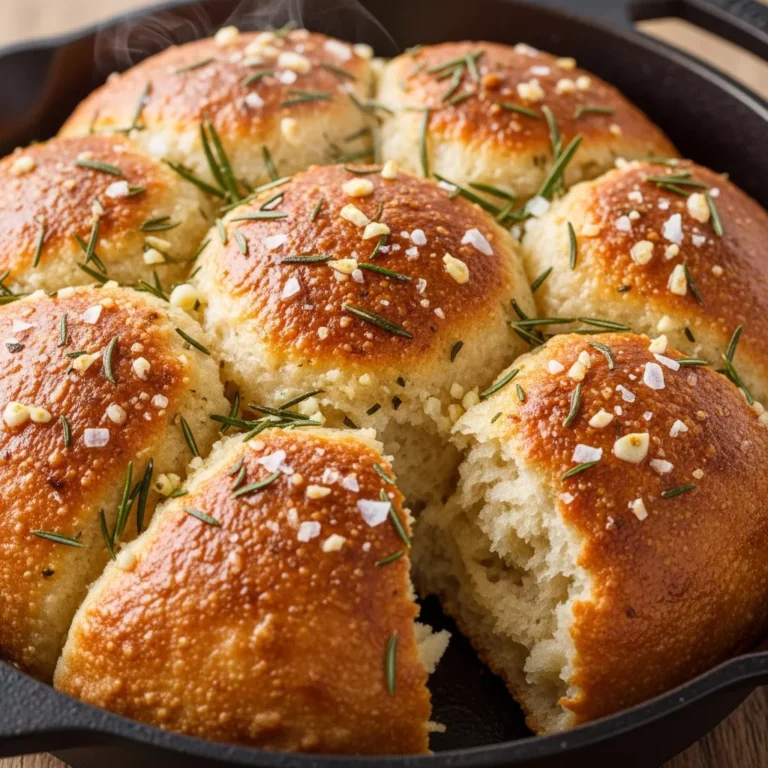
Golden Crust Skillet Garlic Rosemary Bread: Effortless Aromatic Delight
Imagine the irresistible aroma filling your kitchen – that’s what you get with this rustic skillet bread. Featuring a beautifully crisp, golden crust giving way to a soft, airy interior, each bite is infused with the robust flavors of fresh garlic and fragrant rosemary. Baked directly in a hot skillet, this bread develops a unique texture that’s perfect for tearing and sharing. It’s surprisingly simple to make, requiring minimal hands-on time, and serves as an impressive side dish or appetizer that will elevate any meal. A true celebration of simple, wholesome ingredients transformed into something extraordinary.
- Total Time: 45 minutes
- Yield: 6-8 servings 1x
Ingredients
- 3 cups (360g) all-purpose flour, plus more for dusting
- 1 teaspoon instant dry yeast
- 1 teaspoon granulated sugar
- 1.5 teaspoons fine sea salt
- 1.25 cups (300ml) warm water (105-115°F / 40-46°C)
- 4 tablespoons olive oil, divided
- 4 cloves garlic, minced
- 2 tablespoons fresh rosemary, finely chopped
- Flaky sea salt, for topping
Instructions
- In a large mixing bowl, whisk together the flour, instant yeast, sugar, and fine sea salt. Gradually add the warm water and 2 tablespoons of olive oil, mixing with a wooden spoon or spatula until a shaggy dough forms. Turn the dough out onto a lightly floured surface and knead for 5-7 minutes until it becomes smooth and elastic. Alternatively, use a stand mixer with a dough hook for 4-5 minutes.
- Lightly grease a clean bowl with a little olive oil. Place the dough in the bowl, turning once to coat. Cover the bowl with plastic wrap or a clean kitchen towel and let it rise in a warm place for 1-1.5 hours, or until doubled in size.
- While the dough is proofing, prepare the aromatics: in a small bowl, combine the minced garlic, chopped fresh rosemary, and the remaining 2 tablespoons of olive oil. Set aside.
- Preheat your oven to 425°F (220°C). Place a 10-inch cast iron skillet (or an oven-safe heavy-bottomed pan) into the oven as it preheats to get it very hot.
- Once the dough has doubled, gently punch it down and transfer it to a lightly floured surface. Shape it into a round disc, about 8-9 inches in diameter, trying not to overwork the dough.
- Carefully remove the hot skillet from the oven using oven mitts. Drizzle a tiny bit of olive oil into the skillet if needed (though the preheating often seasons it well). Carefully transfer the dough disc into the hot skillet. Brush the top of the dough generously with the garlic-rosemary-olive oil mixture, ensuring the herbs and garlic are evenly distributed. Sprinkle with flaky sea salt.
- Bake for 25-30 minutes, or until the bread is golden brown on top and cooked through. The internal temperature should reach 200-210°F (93-99°C). If the top browns too quickly, you can loosely tent it with foil.
- Remove the skillet from the oven. Carefully transfer the bread to a wire rack to cool slightly for 5-10 minutes before slicing or tearing. This prevents the bottom from getting soggy.
Notes
For an extra crispy crust, add a shallow pan of water to the bottom rack of your oven during baking to create steam. You can experiment with other fresh herbs like thyme or oregano. This bread is best enjoyed warm on the day it’s made, but leftovers can be stored at room temperature in an airtight container for up to 2 days and reheated gently. Perfect served with soups, stews, pasta dishes, or as an accompaniment to cheese boards.
- Prep Time: 20 minutes
- Cook Time: 25 minutes
- Category: Side Dish
- Method: Baking
- Cuisine: Mediterranean-inspired Comfort
Nutrition
- Serving Size: 1 slice (approx. 1/8 of loaf)
- Calories: 310
- Sugar: 2g
- Sodium: 350mg
- Fat: 12g
- Saturated Fat: 2g
- Unsaturated Fat: 9g
- Trans Fat: 0g
- Carbohydrates: 45g
- Fiber: 2g
- Protein: 9g
- Cholesterol: 0mg